About Indexable Insert Endmill cutter
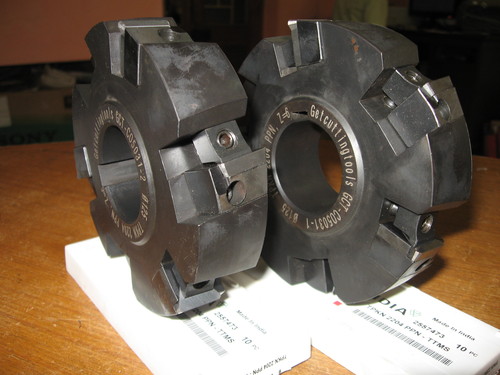
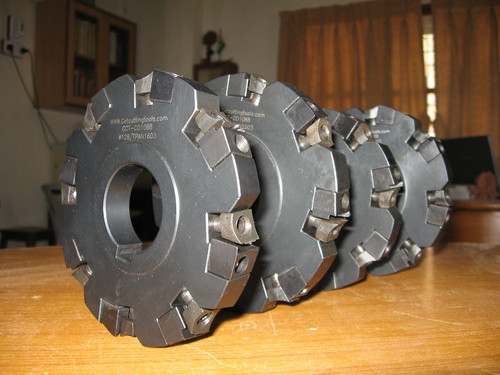
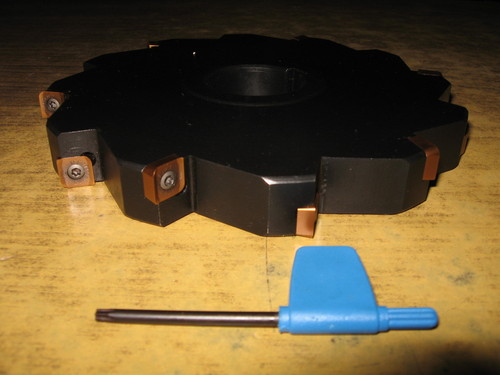
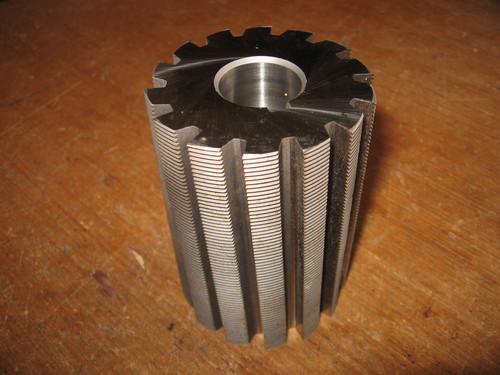
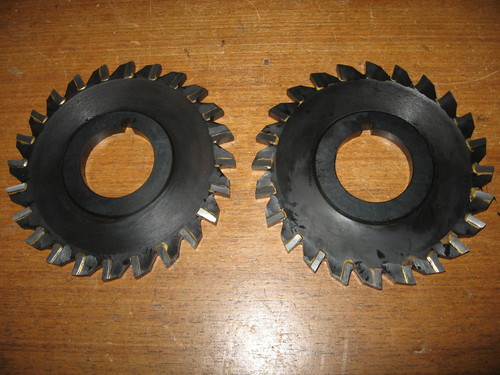
We are backed by a capacious and contemporary infrastructural base helps us in manufacturing and exporting Side And Face Cutter. This cuter is used in milling machines for generating deep slots in the metal. To manufacture this cutter, we use optimum quality tungsten carbide and alloy steel. Highly demanded in he market, this cutter is available in different specifications. We offer this Side And Face Cutter at market leading prices to client.
Features:
- Resistant to rust
- Easy to install
- Rugged construction
Precision Metalworking with Side and Face CuttersThese cutters are ideal for industrial slotting and side or face milling tasks, allowing for efficient material removal in a single operation. Their precision teeth and hardened body ensure longevity and clean cuts, making them essential tools for manufacturers and metal fabricators.
Versatile Designs for Varied ApplicationsWith both straight and staggered tooth configurations, right-hand and left-hand cutting directions, and options for uncoated or TiN-coated surfaces, these cutters adapt to diverse machining requirements. Their compatibility with standard arbors and a range of machine brands further expands their usability across industries.
FAQ's of Side and Face Cutter:
Q: How do side and face cutters differ from other milling cutters?
A: Side and face cutters are uniquely designed to cut both the sides and faces of a workpiece simultaneously, unlike standard end mills which typically only cut in one direction. Their round, cylindrical shape with either straight or staggered teeth enables efficient slotting and grooving in metal materials.
Q: What factors determine the number of teeth in a side and face cutter?
A: The number of teeth in a side and face cutter is typically determined by its diameter and width. Commonly, these cutters have between 16 and 36 teeth, allowing for optimal cutting performance, chip load, and surface finish depending on specific application needs.
Q: When should I choose a staggered tooth cutter over a straight tooth design?
A: Staggered tooth designs are recommended for applications requiring smoother cuts, reduced vibration, or improved chip evacuation. They are particularly useful for deeper slots or when machining tougher metals. Straight tooth cutters are suitable for general-purpose operations on softer materials.
Q: Where can side and face cutters be used?
A: They are widely used across manufacturing, fabrication, and machine shops, especially in operations like slotting, grooving, and side milling of metals. Their universal compatibility with most milling machines makes them versatile for use in various industrial settings.
Q: What is the process for safely installing a side and face cutter?
A: Begin by selecting the appropriate arbor size (e.g., 22mm, 27mm, 32mm, or 40mm) to match your machine. Secure the cutter firmly on the arbor, ensuring correct alignment with the spindle. Always follow the manufacturer's guidelines for setup and use appropriate safety measures during installation and operation.
Q: How does the choice of material and coating affect cutter performance?
A: Cutter material (HSS or stainless steel) influences wear resistance and durability. TiN coating further enhances hardness and decreases friction, extending the tool's service life, especially during high-speed or heavy-duty machining. Uncoated options are suited for lighter tasks and general use.
Q: What are the key benefits of using hardened, precision-ground side and face cutters?
A: Hardened and precision-ground cutters provide clean, accurate cuts, minimize tool wear, and deliver a high-quality surface finish. Their heat-treated construction ensures longer service life and reliability, even under demanding machining conditions.





 Send Inquiry


 Send Inquiry
 Send Inquiry
 Send SMS
 Call Me Free