About Radius Cutter
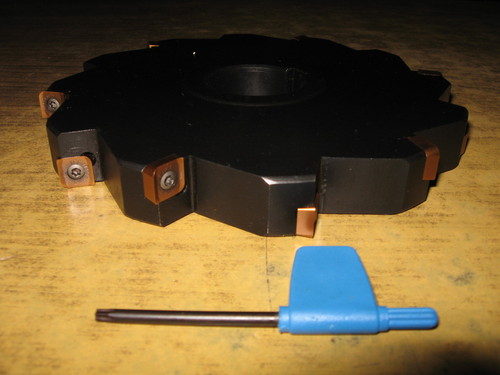
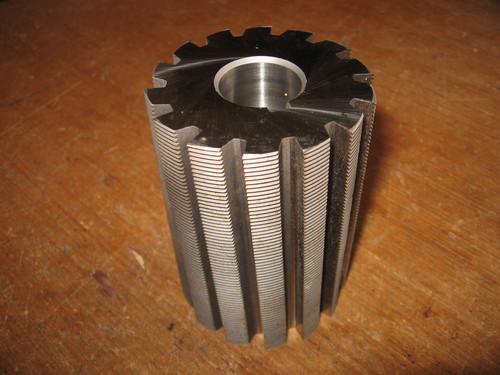
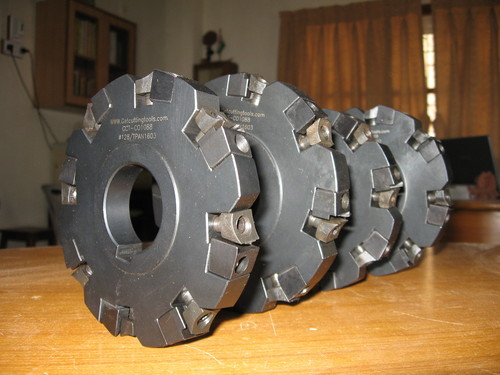
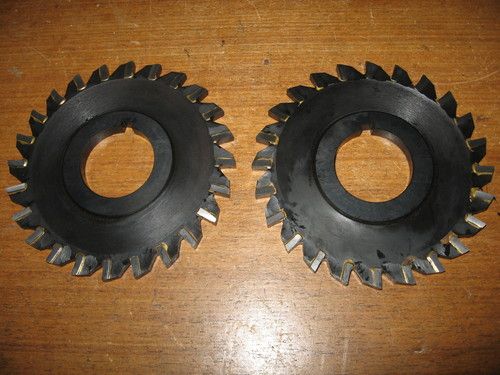
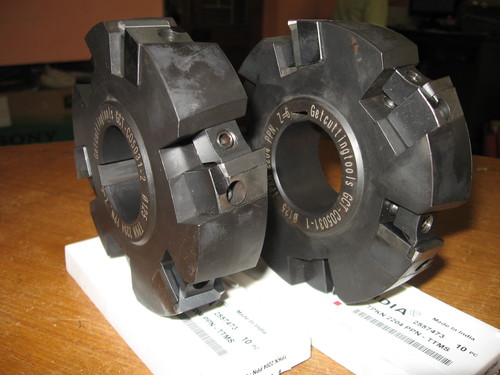
Ever since our establishment in the year 2000, we have been engaged in manufacturing, supplying and exporting quality assured Radius Cutters. These cutters are widely used for cutting woodruff keyseats, precise notches in shafts, to make gears etc. From industry's top vendors, we acquire best grade raw materials for making these cutters. Under valuable guidance of our experts, we develop these radius cutters at our technologically advanced production unit in accordance with the set industry parameters for quality assurance. We offer these radius cutters to our clients at highly affordable rates.
Features:
- Robust design and high strength
- Excellent dimensional stability with perfect surface finish
- Enhanced durability and are capable of absorbing high impact
- Easy to install & maintain
Versatile ApplicationsDesigned for both CNC milling machines and traditional machines, this radius cutter delivers excellent performance across diverse manufacturing environments. Its ability to form concave or fillet radii makes it indispensable in mold making, die manufacturing, and engineering workshops. Whether dealing with complex shapes or straightforward profiles, this tool's robust construction ensures reliable results every time.
Premium Material and PrecisionManufactured from stainless steel or high-speed steel, the cutter offers outstanding tensile strength (up to 900 MPa) and resistivity to wear. Its precision ground and polished surface, combined with a tight tolerance of 0.01 mm, provides high accuracy and smooth finishes on workpieces. Multiple gauge options and shank designs ensure adaptability to specific requirements, making it suitable for various fabrication tasks.
Customizable and ReliableWith cutting diameters between 6 mm and 25 mm, and further customized solutions upon request, this tool meets unique industry needs. The choice between uncoated and TiN coatings allows users to optimize for different materials and cutting speeds, which range from 60 to 100 m/min depending on the material of application. Each cutter is safely packaged for straightforward distribution and handling.
FAQ's of Radius Cutter:
Q: How is the Radius Cutter used on CNC and conventional machines?
A: The Radius Cutter is installed directly into the machine's tool holder or collet, compatible with both CNC milling and conventional machines. Once set up, it enables precise forming of fillet or concave radii on the desired workpiece by following standard machining protocols for either manual or automatic operation.
Q: What materials can this Radius Cutter work with?
A: This cutter is compatible with both ferrous (such as steel and cast iron) and non-ferrous metals (including aluminum, brass, and copper), thanks to its robust construction and high hardness. Material selection for the cutter itself-stainless steel or HSS-enhances its versatility and longevity across different applications.
Q: When should I choose an uncoated versus a TiN-coated Radius Cutter?
A: Use the uncoated cutter for general-purpose or non-demanding environments. Opt for the TiN-coated version when working with tougher materials or when higher cutting speeds and extended tool life are required. The TiN coating reduces wear, provides better heat resistance, and boosts overall performance during heavy-duty operations.
Q: Where are customized diameter sizes available for this Radius Cutter?
A: Customized sizes ranging from 6 mm to 25 mm-or beyond-can be requested from the manufacturer, distributor, or supplier. They typically accommodate customer-specific requirements to address unique project specifications, especially for specialized machining tasks.
Q: What benefits does the precision ground and polished finish offer?
A: A precision ground and polished finish ensures smoother cuts, improved dimensional accuracy, and reduced friction during operation. This type of surface treatment also minimizes the likelihood of workpiece marring and extends the tool's operational lifespan.
Q: How does the tolerance of 0.01 mm affect the cutting process?
A: The tight tolerance of 0.01 mm ensures high-precision cutting, making it ideal for applications where dimensional fidelity and exactness are crucial. It reduces the need for post-machining corrections and assures consistent quality in the manufactured parts.
Q: What is the typical process for forming a radius on a workpiece with this tool?
A: To form a radius using this tool, secure the workpiece and set the cutting depth according to your design requirements. The radius cutter is then guided along the edge to cut a concave or fillet profile seamlessly, either manually or via programmed CNC pathways, resulting in a smooth, accurately shaped finish.





 Send Inquiry


 Send Inquiry
 Send Inquiry
 Send SMS
 Call Me Free